A-Team Heating and Cooling

Ypsilanti Furnace Diagnostics & Repair

Furnace Repair in Ypsilanti, MI

No heat, cold air, short cycling, ignition trouble, blower problems, or a furnace that simply will not start? A-Team Heating & Cooling diagnoses furnace-specific failures and explains the repair before work begins.

24/7 service availabilityYpsilanti-focused heating helpClear diagnosis before repairRead A-Team customer reviews

No heat right now?

Start with the safety decision, then the furnace decision

No gas odor, but no heat?

Check only simple, user-level items: confirm the thermostat is set to Heat and above room temperature, make sure the furnace service switch and circuit breaker have not been turned off, verify supply and return vents are open, and look at the filter if it is safely accessible. If those basics do not restore normal heat, stop there and schedule professional diagnostics.

Do not bypass a flame sensor, limit switch, gas valve, pressure switch, blower-door switch, ignition control, or other furnace safety device. A furnace that repeatedly trips a safety control is giving you information a technician needs to diagnose.

Furnace-specific repair

Common furnace failures A-Team can diagnose

A furnace can fail in more than one way, and several symptoms can point to the same underlying problem. The goal is not to swap parts until the heat comes back. It is to identify why the system stopped heating safely and normally.

Ignition and igniter problems

Modern gas furnaces rely on an ignition sequence. A worn hot-surface igniter, ignition-control problem, gas-supply interruption, pressure-switch issue, or another failed step can keep burners from lighting. Repeated failed starts need diagnosis rather than repeated resets.

Flame-sensing problems

If the burners light and then shut back down, the furnace may not be proving flame correctly. Flame-sensing trouble can come from a dirty or failing sensor, wiring, grounding, control, or combustion issue. Homeowners should not defeat the flame-proving circuit to keep a furnace running.

Blower and airflow problems

A furnace may make heat but fail to move it through the home because of a blower motor, capacitor, wheel, control, duct, filter, or airflow problem. Weak airflow also can push temperatures inside the furnace too high and trigger protective limits.

Control-board and electrical faults

Boards, relays, transformers, wiring connections, motors, and low-voltage circuits coordinate the heating cycle. Intermittent failures can look like a thermostat problem one minute and a dead furnace the next. Electrical diagnosis should be performed with the proper test equipment.

Thermostat and control issues

A dead display, incorrect mode, depleted battery, loose connection, failed thermostat, or control-circuit problem can prevent the call for heat. If a simple settings check does not resolve it, A-Team can determine whether the thermostat or the furnace is actually responsible. See thermostat repair and replacement.

Gas and combustion concerns

Delayed ignition, unusual burner behavior, soot, repeated shutdowns, gas odor, or suspected carbon-monoxide risk should not be treated as a DIY repair. Combustion systems depend on correct venting, fuel delivery, ignition, flame proving, draft, and safety controls working together.

What the symptom can mean

Short cycling, cold air, weak heat, sounds, and odors

Furnace short cycling

Short cycling means the furnace starts and stops more often than a normal heating cycle. Restricted airflow, thermostat issues, overheating, control faults, an oversized system, or a safety device responding to an unsafe condition can all contribute. Because causes range from simple to serious, repeated short cycling is a diagnostic problem, not a “keep resetting it” problem.

Furnace blowing cold air

A brief cool-air period at startup or shutdown can be normal, but sustained cold air while the thermostat is calling for heat is not. Possible causes include thermostat settings, ignition failure, a furnace shutting burners off on a limit, blower-control trouble, fuel-supply problems, or a heating cycle that is not completing correctly.

Weak heat or poor airflow

Rooms that never warm up may point to a clogged filter, closed or obstructed vents, blower trouble, duct leakage, system sizing issues, or a furnace that is cycling off before enough heat reaches the home. Diagnosis should separate airflow problems from heat-production problems before recommending a repair.

Strange sounds or odors

New banging, scraping, squealing, rattling, electrical odors, burning smells that do not quickly dissipate, or gas odor deserve attention. Shut the furnace off if operation appears unsafe. If you smell gas, leave immediately and follow gas-emergency guidance rather than trying to locate the leak yourself.

Safe homeowner checks

What you can check before calling

A few non-invasive checks can save time without turning a furnace into a home science experiment:

  • Confirm the thermostat is on Heat and the setpoint is above room temperature.
  • Replace thermostat batteries if your model uses them and the display is weak or blank.
  • Check whether the furnace switch or the correct circuit breaker was accidentally turned off. If a breaker trips again, do not keep resetting it.
  • Look at a user-replaceable filter if it is safely accessible. A heavily clogged filter can restrict airflow.
  • Make sure supply registers and return-air grilles are not blocked by furniture, rugs, or stored items.
  • Note what happens when the furnace tries to start: no response, clicking, ignition then shutdown, blower only, unusual sound, or an error indicator you can report without opening or altering controls.

Stop troubleshooting if there is gas odor, smoke, visible scorching, repeated breaker trips, strong electrical odor, suspected carbon monoxide, or a furnace that repeatedly starts and shuts down. The U.S. Consumer Product Safety Commission recommends professional inspection and service of fuel-burning heating systems and cautions against servicing them without the proper skill and tools.

CPSC carbon-monoxide safety guidance

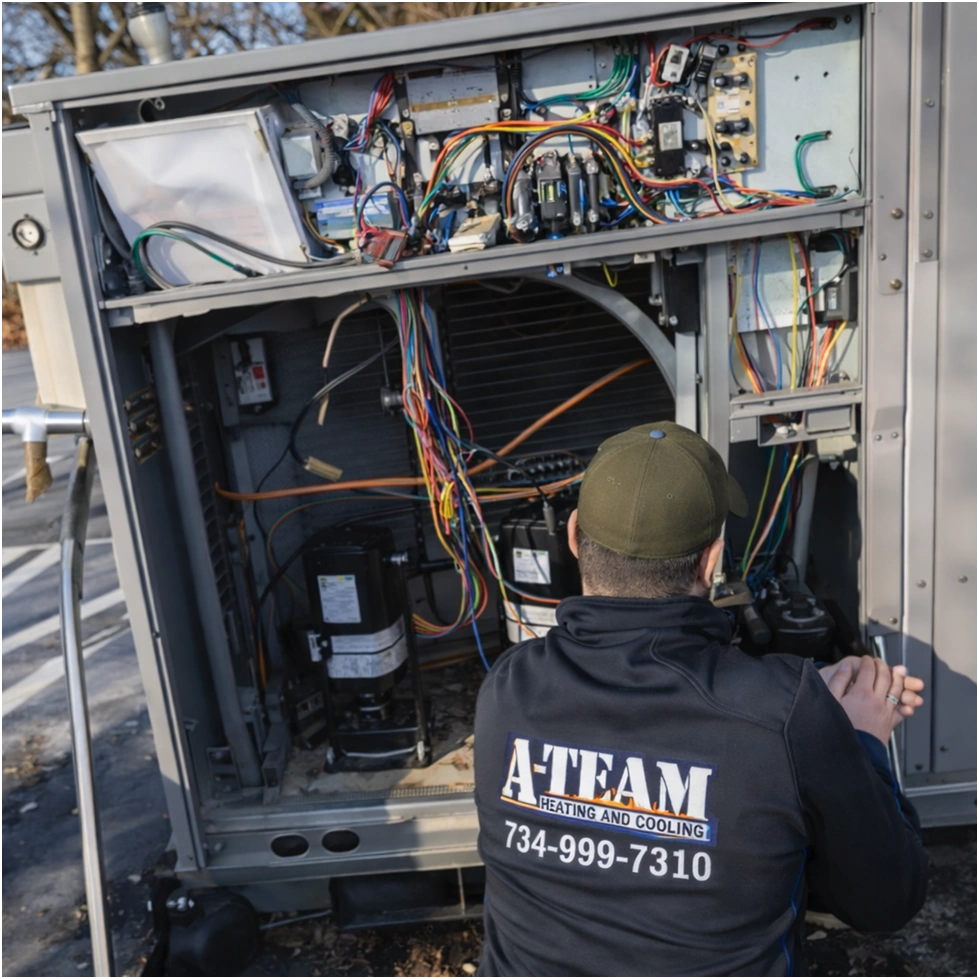
A-Team Heating & Cooling technician performing HVAC diagnostic service work

Professional diagnosis

What a furnace service call should determine

The important answer is not merely “which part failed?” It is “what caused the symptom, is the furnace safe to operate, and does the proposed repair make sense for this system?”

  1. 01

    Confirm the complaint

    The technician starts with the homeowner’s description, thermostat call, timing, noise, odor, and recent history, then reproduces the failure when possible.

  2. 02

    Check the heating sequence

    Power, thermostat signal, inducer/draft, ignition, flame proving, burner operation, blower response, airflow, and safety controls are evaluated as appropriate to the furnace.

  3. 03

    Identify the root cause

    A fault code or failed component is evidence, not always the entire diagnosis. Airflow, wiring, control inputs, combustion conditions, and related components may explain why the failure happened.

  4. 04

    Explain repair options

    You should know what is being repaired, what it is expected to solve, and the price you are approving. If age, safety, or repair economics make replacement worth considering, that should be a separate decision rather than a disguised repair pitch.

  5. 05

    Verify operation

    After repair, the furnace should complete a normal heating cycle and the technician should verify the corrected function and any safety-related observations relevant to the work performed.

Repair-cost planning

How much can furnace repair cost?

There is no responsible one-price answer before diagnosis. As a planning benchmark, a current 2026 Detroit-area third-party cost guide places many furnace repairs around $127 to $452, with more complex repairs reaching roughly $900 or more. A broader 2026 national guide reports an average near $318 and a much wider range extending above $1,400, depending on the failed part and circumstances.

Those figures are market references, not A-Team’s price list. Your actual repair can change with the component, furnace model, access, parts availability, warranty coverage, diagnostic findings, and after-hours conditions. Ask for the repair price before authorizing work.

Planning sources: Angi Detroit-area furnace repair cost guide and Angi national furnace repair cost guide.

Repair vs. replacement

When replacing the furnace can make more sense

A repair can be the right answer when the furnace is otherwise sound, the failure is isolated, replacement parts are practical, and the repair cost is reasonable relative to the system’s remaining life. Replacement deserves a serious look when major failures begin stacking up, safety concerns are present, reliability has become poor, or the furnace is already well into its expected service life.

ENERGY STAR advises homeowners to consider replacement when a furnace or boiler is more than about 15 years old, especially when repairs are frequent or energy bills are rising. Age alone does not condemn a furnace, but it changes the economics of putting substantial money into it.

ENERGY STAR: when it may be time to replace heating equipment

If replacement is the better path, keep that intent on the dedicated furnace installation and replacement page. This repair page should not compete with it.

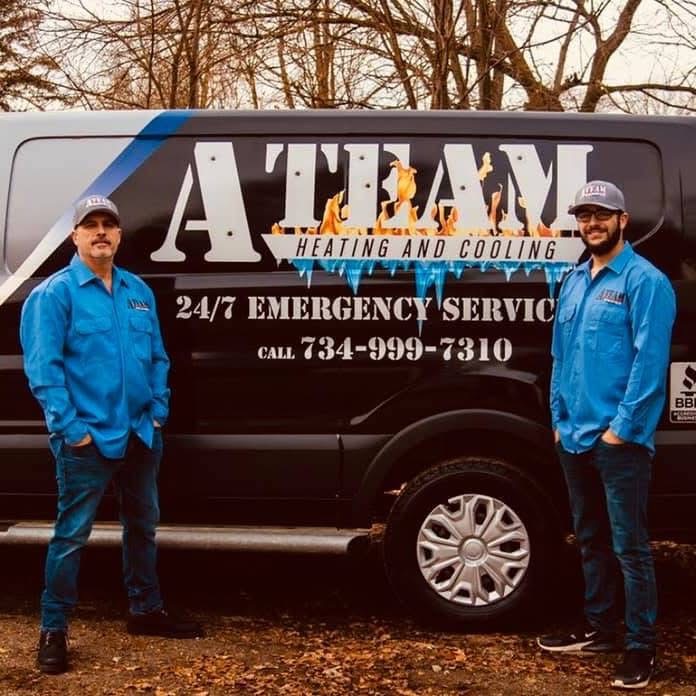
A-Team Heating & Cooling technicians standing beside a branded service van

Ypsilanti winter context

Furnace repair built around cold-weather urgency, not keyword stuffing

In Ypsilanti, a furnace problem is most urgent when temperatures fall overnight, pipes and vulnerable occupants become a concern, or a system stops heating altogether. That is why this page puts no-heat decisions, gas safety, and direct calling near the top instead of making homeowners dig through a company biography first.

A-Team also supports nearby homeowners looking for furnace repair around Ann Arbor, Canton, and Belleville. Those communities are supporting service areas here, not separate keyword sections pretending every city has a different furnace. The primary local relevance remains Ypsilanti.

Need another HVAC service? Browse the complete HVAC services hub. Need broad heating help? Go to Heating Services. Keeping those pathways clear helps homeowners and keeps the site’s search intent equally clear.

Trust from actual service experiences

What A-Team customers report about furnace calls

Use live, attributable review sources instead of invented quote cards. The examples below are paraphrased from Google-linked reviews currently shown on A-Team’s own reviews page.

Same-day sensor service

One customer described furnace sensors failing on a Friday, same-day help, and a later follow-up involving the blower fan assembly.

No heat after a power outage

Another homeowner reported a furnace that stopped working during subzero weather after a power outage and praised the fast response.

After-hours January call

A review describes reaching a live person after hours on a cold January day and getting furnace service quickly.

Read the current A-Team reviews →

Furnace repair answers

Frequently Asked Questions

Why is my furnace running but not heating?

If the blower runs but the home is not warming, the thermostat may be set incorrectly, burners may not be lighting, the furnace may be shutting the burners down on a safety limit, or airflow may be too restricted. A filter and thermostat check are reasonable. If cold air continues, schedule furnace diagnostics rather than bypassing controls.

Why does a furnace short-cycle?

Short cycling can be caused by restricted airflow, thermostat problems, overheating, control faults, an oversized furnace, or a safety control responding to abnormal operation. Repeated short cycles increase wear and can signal a safety-related problem, so do not repeatedly reset the furnace to force longer operation.

What can cause a furnace to blow cold air?

Possible causes include a thermostat fan setting, ignition failure, fuel-supply interruption, overheating that shuts the burners off, blower-control problems, or another incomplete heating sequence. A brief cool period at startup or shutdown can be normal; sustained cold air during a call for heat should be diagnosed.

What furnace problems require immediate service?

Gas odor, suspected carbon monoxide, smoke, visible scorching, repeated breaker trips, strong electrical odor, delayed or unusual ignition, or a furnace a professional has declared unsafe all require prompt attention. For suspected gas leakage, leave immediately and call 911 and your gas utility from a safe location.

How much can furnace repair cost?

As a planning benchmark, 2026 Detroit-area third-party data places many repairs around $127–$452, while complex component repairs can reach roughly $900 or more. National 2026 guidance shows a wider range above $1,400. Those are market references, not A-Team prices; diagnosis, parts, access, warranty, and timing determine the actual quote.

When is furnace replacement more sensible than repair?

Replacement becomes more sensible when the furnace has repeated major failures, a serious safety problem, poor reliability, obsolete or difficult-to-source parts, or a repair cost that is hard to justify against the system’s remaining life. A major repair on an older furnace should trigger a repair-versus-replacement comparison, not an automatic replacement.

How old is too old for a furnace?

There is no exact expiration date, but ENERGY STAR recommends considering replacement when a furnace or boiler is more than about 15 years old, especially if it needs frequent repairs or energy costs are rising. A well-maintained older furnace can still be serviceable, so condition and repair history matter with age.

What should homeowners safely check before calling?

Check thermostat mode and setpoint, thermostat batteries if applicable, the furnace switch, the circuit breaker, an accessible user-replaceable filter, and blocked supply or return vents. Report what the furnace does when it tries to start. Do not open gas controls, defeat switches, alter flame sensors, or bypass safety devices.

When should I stop troubleshooting and call a professional?

Stop when simple user-level checks do not restore normal heat, or immediately if you notice gas odor, smoke, electrical odor, repeated breaker trips, unusual ignition, repeated safety shutdowns, or a suspected combustion problem. Fuel-burning heating equipment requires proper instruments and training to diagnose safely.

Can a cracked heat exchanger be repaired?

The heat-exchanger assembly can sometimes be replaced, but the crack itself is not something a homeowner should patch or work around. A cracked exchanger is a combustion-safety problem. A qualified HVAC professional should assess the furnace, and on an older system the economics may favor full replacement.

What should I do if I smell gas near the furnace?

Leave the building immediately. Do not operate switches or electronics, do not light anything, and do not try to find the leak. From a safe location, call 911 and your gas utility. Stay out until emergency responders or the utility says it is safe to return.

Does furnace repair include annual maintenance?

This page is for active furnace failures and diagnostic repair. Preventive tune-ups and annual system care belong on A-Team’s dedicated heating maintenance page, which keeps repair and maintenance intent clear for homeowners and search engines.
Ready for a furnace diagnosis?

Get the heat problem identified before it becomes a bigger one.

Call A-Team Heating & Cooling for furnace repair in Ypsilanti, or send a service request online.